
netent casino utan svensk licens — topprankade spelmjukvaror just nu
netent casino utan svensk licens inleder en serie artiklar om casinospelens och leverantörernas utveckling. Här fokuserar vi på hur netent casino recension bidrar till en mer dynamisk och engagerande spelmarknad.
See also:
- Vad är netent casino jämförelse och hur fungerar det?
- Bonusvillkor och omsättningskrav hos netent casino utan svensk licens
- Så maximerar du dina vinster med netent casino inte svensk licens
- RTP: Återbetalningsprocent för populära slots
- Varför välja netent casino inte svensk licens vid ditt nästa casinobesök?
- Bilder och spelupplevelse hos netent casino utan svensk licens
- Hur hittar man bästa netent casino jämförelse?
- Spelberoende hos netent casino utan svensk licens: Varningstecken du inte får ignorera
Vad är netent casino jämförelse och hur fungerar det?
The concept of purchasing a bonus is a fundamental mechanism in modern commerce, designed to incentivize consumer behavior, enhance user engagement, and drive revenue growth. When a customer decides to buy a bonus, they are typically engaging in a transactional exchange where they pay an additional fee—either upfront or as part of a subscription—to unlock exclusive benefits that are not available to standard users. These benefits can manifest in various forms, such as in-game currency, premium features, accelerated progress, cosmetic items, or access to limited-time events. The psychological underpinning of this purchase is rooted in the principle of perceived value; the bonus must appear to offer more worth than its monetary cost, creating a sense of urgency and exclusivity. For example, in the context of mobile gaming, a player might buy a bonus pack that includes 500 gems, a rare character skin, and a 7-day experience boost, all for a price that seems modest compared to the time and effort required to earn those items through gameplay alone. This transaction is not merely a one-way exchange; it also benefits the developer or service provider by generating consistent cash flow, funding ongoing updates, and creating a revenue stream that supports the entire ecosystem. Moreover, the act of buying a bonus often triggers a psychological commitment effect, where the user becomes more invested in the product because they have made a financial contribution, leading to higher retention rates and increased word-of-mouth promotion. From a strategic perspective, businesses carefully design bonus tiers to cater to different spending capacities, from micro-transactions that cost less than a dollar to premium packages that cost hundreds, ensuring that every segment of the user base has an opportunity to participate. The pricing of these bonuses is often determined through rigorous A/B testing, analyzing consumer willingness to pay, and benchmarking against competitor offerings. Additionally, the timing of when a bonus is offered can significantly impact its uptake; for instance, introducing a limited-time bonus during a holiday season or a major game update can create a spike in sales due to the combination of novelty and fear of missing out. Furthermore, the method of payment has evolved, with options ranging from credit cards and digital wallets to mobile carrier billing, making the purchase frictionless and impulsive. In many cases, the bonus is delivered instantly, providing immediate gratification that reinforces the positive association with the brand. However, there is also a darker side to buying bonuses, as it can lead to compulsive spending, especially among vulnerable populations such as minors, which has prompted regulatory scrutiny and the implementation of spending limits and parental controls. Ethical considerations also come into play, as some argue that certain bonus structures are predatory, exploiting behavioral biases like loss aversion and the sunk cost fallacy. To mitigate these concerns, responsible companies now include transparent disclosure of odds for randomized bonuses, offer refund policies, and provide self-exclusion tools. On a broader scale, the economics of buying bonuses has spawned an entire industry of virtual goods trading, with secondary markets where users resell or trade bonuses, sometimes for real-world money, though this is often against the terms of service. The phenomenon has also influenced other sectors, such as e-commerce, where customers can buy a ‘bonus’ in the form of free shipping or extended warranties, and in financial services, where a bonus might be a cashback reward for opening a new account. In the realm of loyalty programs, buying a bonus could mean purchasing points to reach a reward threshold sooner, which enhances customer lifetime value. The effectiveness of a bonus purchase is often measured through metrics like conversion rate, average revenue per user, and return on investment for the promotional campaign. Data analytics play a crucial role in personalizing bonus offers, using past purchase history and user behavior to tailor the bonus to individual preferences, thereby increasing the likelihood of a sale. For example, a user who frequently plays a particular game mode might be offered a bonus that enhances that mode, while a user who has not made a purchase in a while might receive a discounted bonus to re-engage them. The social aspect also cannot be overlooked; buying a bonus can confer social status within a community, as players with exclusive items may be admired or envied by others, which further drives demand. In multiplayer settings, bonuses can also provide competitive advantages, such as extra lives or better weapons, which raises questions about fairness and pay-to-win mechanics. Despite these controversies, the practice of buying bonuses continues to grow, with global spending on digital bonuses projected to reach billions of dollars annually. The future of this trend likely involves more integration with emerging technologies like blockchain, where bonuses can be tokenized and owned permanently, and augmented reality, where bonuses could unlock physical experiences. Ultimately, the decision to buy a bonus is a complex interplay of emotional desire, rational calculation, and social influence, and for businesses, mastering this dynamic is key to sustaining profitability in a saturated market. As consumers become more savvy, the demand for genuine value and ethical practices will shape how bonuses are designed and marketed, ensuring that the transaction is mutually beneficial rather than exploitative. Therefore, whether one views buying a bonus as a harmless indulgence, a smart investment in entertainment, or a problematic habit, its impact on the economy and culture is undeniable, and its evolution will continue to mirror broader technological and societal changes.
Bonusvillkor och omsättningskrav hos netent casino utan svensk licens
- 200% bonus och 100 gratissnurr
- 125% upp till kr250 i bonus
- 50x genomspelning av bonusen
- 35x spelkrav inom 7 dagar
Så maximerar du dina vinster med netent casino inte svensk licens
Spelutvecklare som sätter standarden är de som inte bara följer trender utan skapar dem. De förstår att standarder inte är statiska regler, utan levande principer som formas av innovation och användarupplevelse. En sådan utvecklare börjar med att analysera spelarens behov, inte bara vad de säger att de vill ha, utan vad de faktiskt gör när de spelar. De använder dataanalys, spelartester och psykologiska insikter för att förstå motivationsfaktorer som belöning, utmaning och social interaktion. Genom att observera hur spelare interagerar med mekaniker, kartlägger de smärtpunkter och glädjeämnen, vilket leder till designbeslut som känns intuitiva och naturliga. De sätter upp tydliga designprinciper, som att varje mekanik ska ha ett syfte, att feedback ska vara omedelbar och tydlig, och att progression ska vara meningsfull. Dessa principer blir sedan riktlinjer för hela teamet, från programmerare till artister, vilket säkerställer en sammanhållen vision. Vidare ligger standarden i att implementera robusta system som är flexibla nog att anpassas till nya idéer utan att bryta balansen. Det innebär att skriva ren, modulär kod som är lätt att underhålla och utöka. En standardhöjande utvecklare investerar i verktyg och pipelines som automatiserar repetitiva uppgifter, vilket frigör tid för kreativt utforskande. De prioriterar också tillgänglighet och inkludering, genom att erbjuda olika svårighetsgrader, anpassningsbara kontroller och stöd för olika funktionsnedsättningar. Det handlar om att göra spelet njutbart för en bredare publik utan att kompromissa med kärnupplevelsen. De är också måna om prestanda, med optimeringsstrategier som säkerställer jämn bildhastighet på olika hårdvaror, vilket skapar förtroende hos spelarna. Men standarden sträcker sig bortom själva spelet; den omfattar kommunikation med communityn. De lyssnar aktivt på feedback, delar utvecklingsprocessen genom dev-diar och transparenta uppdateringar, och visar respekt för spelarnas tid och engagemang. De implementerar anti-cheat-system som är rättvisa och effektiva, samtidigt som de skyddar integriteten hos ärliga spelare. De ser till att ekonomiska system, som mikrotransaktioner, är etiskt utformade, utan att vara utnyttjande. De sätter också standarden för arbetskultur inom spelindustrin, genom att motverka crunch och främja en hållbar balans mellan arbete och fritid. De vet att ett kreativt team som är utvilat och motiverat producerar bättre resultat på lång sikt. De investerar i mentorskap och kunskapsdelning, vilket lyfter hela branschen. Dessutom är de förebilder när det gäller att hantera misslyckanden; de publicerar post-mortems som är ärliga och lärorika, vilket hjälper andra att undvika samma misstag. De använder versionhantering och kontinuerlig integration för att hålla koden stabil, och de testar tidigt och ofta med prototyper för att validera idéer innan de satsar stora resurser. De förstår att en standard inte sätts i ett vakuum, utan i dialog med spelarna och med andra utvecklare. De deltar i konferenser, skriver artiklar och bidrar till open source-projekt som gynnar ekosystemet. Genom att dela med sig av sina verktyg och tekniker hjälper de till att höja lägstanivån för alla. De är också medvetna om kulturella skillnader och lokaliserar spel på ett sätt som känns genuint, inte bara översatt. De använder kulturella referenser på ett respektfullt sätt och undviker stereotyper. De ser till att spelets berättelse och teman är sammanvävda med mekaniken, så att varje del förstärker helheten. De skapar minnesvärda ögonblick genom att designa för känslor, inte bara för poäng. De vet när de ska hålla tillbaka och låta spelaren utforska, och när de ska leverera action. De balanserar slump och skicklighet, så att varje spelsession känns unik men ändå rättvis. De använder belöningsscheman som förstärker önskade beteenden utan att bli beroendeframkallande på ett skadligt sätt. De är också tekniskt kunniga, med djup förståelse för hårdvarans möjligheter och begränsningar, vilket gör att de kan optimera grafik och fysik utan att kompromissa med visionen. De experimenterar med nya teknologier som AI, ray tracing och haptik, men alltid med syftet att förbättra upplevelsen, inte bara som en teknisk show. De håller sig uppdaterade med forskning inom speldesign och kognitionsvetenskap, och tillämpar evidensbaserade metoder. De använder A/B-testning för att finjustera svårighetskurvor och progression, och de mäter spelarens engagemang genom telemetri. De vågar ta bort funktioner som inte fungerar, även om de har lagt mycket tid på dem, för att hålla spelet fokuserat. De sätter standarden genom att visa att kvalitet kommer före kvantitet, och att ett välpolerat spel med ett starkt kärnkoncept är bättre än ett stort spel med många svaga delar. De är också lyhörda för trender men inte slavar under dem; de använder trender som inspiration men behåller sin unika röst. De bygger spel som de själva skulle vilja spela, med passion och integritet. De vet att standarden inte är ett mål, utan en ständigt pågående process av förbättring. De utvärderar sina egna spel efter lansering, samlar in data och lyssnar på kritik, och de är inte rädda för att göra stora förändringar i efterhand. De ser till att deras spel har ett långt liv genom att stödja moddning och användargenererat innehåll, vilket skapar en levande community. De ger också tillbaka genom att utbilda nästa generation av utvecklare, genom gästföreläsningar, praktikplatser och öppna utvecklingsloggar. De är förebilder för etiskt beslutsfattande, och de vägrar att kompromissa med spelarens förtroende, även om det kan ge kortsiktiga vinster. De sätter standarden genom att vara innovativa, ansvarsfulla och passionerade, och de inspirerar andra att nå högre. I slutändan handlar det om att skapa upplevelser som berör människor, som får dem att skratta, gråta, tänka och växa.
RTP: Återbetalningsprocent för populära slots
| Name | Biggest win | RTP | Year | Provider |
|---|---|---|---|---|
| Razor Shark | 215,000 | 50% | 2025 | Push Gaming |
| Norse Quest | 5,000 | 125% | 2023 | Thunderkick |
| OceanTreasure | 56,300 | 97.3% | 2014 | ELK Studios |
| Vinstvågen | 27,500 | 100% | 2024 | Hacksaw Gaming |
| Paf | 27,500 | 75 | 2024 | iSoftBet |
| Ocean Riches | 127,500 | 200% | 2024 | Betsoft |
Varför välja netent casino inte svensk licens vid ditt nästa casinobesök?
Reality checks are the deliberate, often uncomfortable, pauses we take to compare our internal narratives against external facts. They are the cognitive equivalent of looking both ways before crossing a street—a brief, life-saving habit that disrupts the autopilot of assumption. In practice, a reality check might involve asking yourself, ‘What evidence do I actually have for this belief?’ or ‘Is my emotional reaction proportional to the event, or am I projecting past trauma onto the present?’ These checks are not about denying feelings; they are about contextualizing them. For instance, when you feel certain a colleague is angry at you because they didn’t reply to an email, a reality check would involve considering alternative explanations: they might be in meetings, sick, or simply overwhelmed. It means resisting the seductive pull of catastrophic thinking, which often paints worst-case scenarios with broad, vivid strokes. Instead, you gather data—perhaps by asking the colleague directly or by recalling past instances where delayed responses were benign. Reality checks also apply to our self-perceptions. That voice that whispers ‘You’re a fraud’ during a successful presentation can be countered with a checklist of your actual achievements, the preparation you did, and the positive feedback you’ve received. They are not about toxic positivity; they are about accuracy. In relationships, reality checks prevent us from building elaborate castles of resentment on a foundation of misinterpreted text messages or forgotten anniversaries. They require humility, because they force us to admit that our initial gut feeling might be wrong. They also require courage, because sometimes the reality we uncover is genuinely painful—like realizing a friendship has run its course or that a job is not a good fit. But even then, the check serves a purpose: it saves us years of living in a fog of wishful thinking. Over time, practicing reality checks rewires the brain to default toward curiosity rather than judgment. You begin to notice the gap between the story you tell yourself and the observable world, and that gap becomes a space for growth rather than a source of anxiety. For example, a person who fears public speaking might do a reality check before a talk: they review past successful talks, they remind themselves that the audience is rooting for them, and they focus on the message rather than their own nervousness. This is not a superficial pep talk; it is a structured examination of evidence. Similarly, in financial decisions, a reality check might mean looking at your bank account balance before planning a lavish vacation, or comparing the actual cost of a subscription service against how often you use it. It is the antidote to impulse, the brake on the runaway train of desire. In the digital age, reality checks are especially crucial because our feeds are curated to show highlights, not realities. When you scroll through Instagram and feel inadequate, a reality check reminds you that you are comparing your behind-the-scenes to everyone else’s highlight reel. It prompts you to ask, ‘Am I really unhappy with my life, or am I just envious of a filtered image?’ The practice extends to news consumption: before sharing an article that confirms your biases, you check the source, the date, and whether the headline matches the content. In essence, reality checks are a form of self-respect. They say, ‘I value the truth more than I value the comfort of my illusions.’ They are not a one-time event but a continuous discipline, like brushing your teeth or exercising. You might perform mini-checks throughout the day—when you feel a spike of anger, when you are about to procrastinate, when you feel a surge of pride. Each check is a moment of choosing reality over fantasy, clarity over confusion. And while the process can be humbling, it is also liberating, because it frees you from the prison of your own assumptions. You realize that many of your fears were paper tigers, and many of your beliefs were inherited rather than earned. You become a more reliable narrator of your own life, which in turn makes you a better friend, partner, and decision-maker. Ultimately, reality checks are not about being pessimistic or constantly doubting yourself; they are about being awake.
Spelare som söker netent casino utan svensk licens bör även titta på mobilanpassning.
svenska mobilcasino 2026 — svenska mobilcasino spel
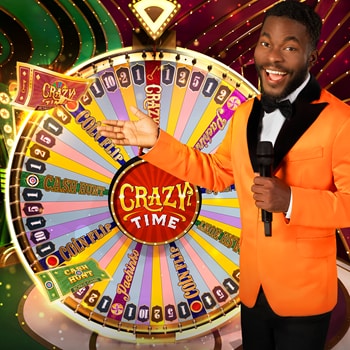
Bilder och spelupplevelse hos netent casino utan svensk licens
Hur hittar man bästa netent casino jämförelse?
Vilka spelleverantörer finns tillgängliga på netent casino utan svensk licens?
netent casino utan svensk licens erbjuder ett brett urval av spel från ledande leverantörer som NetEnt, Microgaming, Play’n GO och Evolution Gaming, samt många andra välkända utvecklare.
Kan jag prova spelautomaterna gratis innan jag spelar med riktiga pengar?
Ja, de flesta spelautomater på netent casino utan svensk licens har ett demoläge där du kan testa dem utan att satsa riktiga pengar. Detta är ett bra sätt att bekanta sig med spelen innan du spelar för riktiga pengar.
Vilka live casino-spel erbjuds och från vilka leverantörer?
Live casino-sektionen på netent casino utan svensk licens innehåller bordsspel som blackjack, roulette och baccarat, streamade i hög kvalitet från Evolution Gaming och andra ledande leverantörer.
Hur vet jag att spelen på netent casino utan svensk licens är rättvisa?
Alla spel på netent casino utan svensk licens är certifierade av oberoende testlaboratorier och använder slumpmässiga nummergeneratorer (RNG) för att säkerställa rättvisa och slumpmässiga resultat.
Vilka är de mest populära spelen just nu på netent casino utan svensk licens?
De mest populära spelen varierar, men ofta inkluderar de jackpottspel som Mega Moolah och Starburst, samt live dealer-spel från Evolution Gaming. Du kan alltid se de mest spelade titlarna i spellobbyn.
Spelberoende hos netent casino utan svensk licens: Varningstecken du inte får ignorera
Spela ansvarsfullt – netent casino utan svensk licens uppmanar alla spelare att vara 18 år eller äldre. Spel ska ses som underhållning, inte som ett sätt att tjäna pengar eller vinna tillbaka förluster. Sätt alltid upp egna gränser för tid och pengar innan du börjar spela. Spelinspektionen är den svenska tillsynsmyndigheten som reglerar spelmarknaden. Om du behöver stöd eller vill stänga av dig från allt spelande, använd Spelpaus.se – den nationella självavstängningstjänsten. För kostnadsfri och anonym hjälp, kontakta Stödlinjen på 020-81 91 00. Spela bara med pengar du har råd att förlora.
